Multidisciplinary engineering
Engineeringclarity for complex world.
We combine deep technical expertise, advanced simulation and practical judgement to solve the problems that sit between disciplines — and carry them through to delivery.
Our servicesFrom renewable power
From renewable power
to usable molecules.
Power-to-X shows how we work at system scale: electricity, water, captured carbon and nitrogen connected into one chain, engineered as a whole rather than as parts.
Explore Power-to-X Connected expertiseSix disciplines.
Six disciplines.
One engineering mindset.
Complex projects rarely fit inside one box. Our disciplines work independently or together, shaped around the problem rather than around a fixed package.
View all services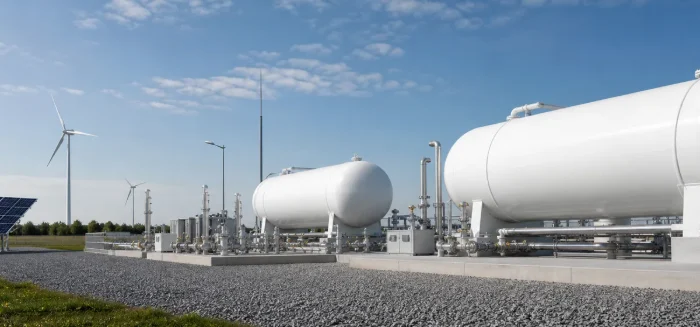 01Power to X (P2X)Supporting the transition to a sustainable energy future with technical advisory, feasibility studies and engineering services for Power-to-X projects.Explore
 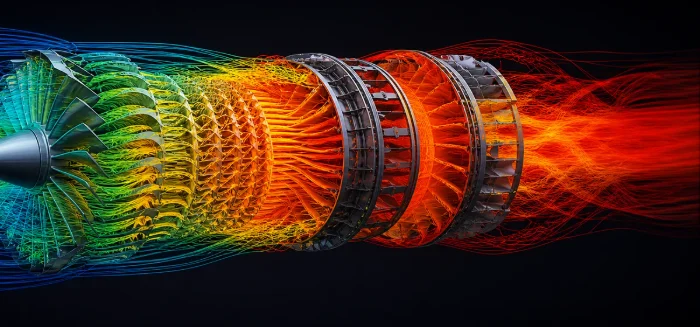 02CFD SimulationsHigh-fidelity computational fluid dynamics simulations to solve complex flow, heat transfer and multiphase challenges with accuracy and efficiency.Explore
 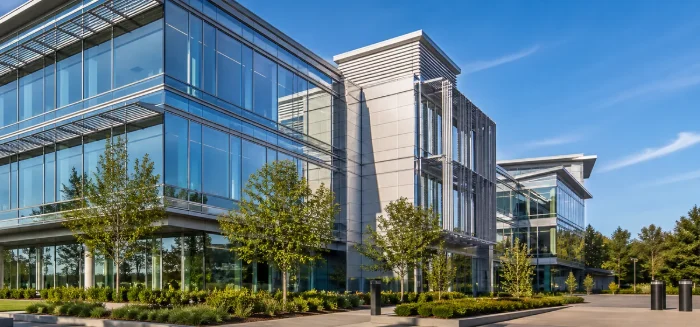 03Building PhysicsOptimising building performance through thermal, hygrothermal, daylight, airflow and energy modelling for better, greener buildings.Explore
 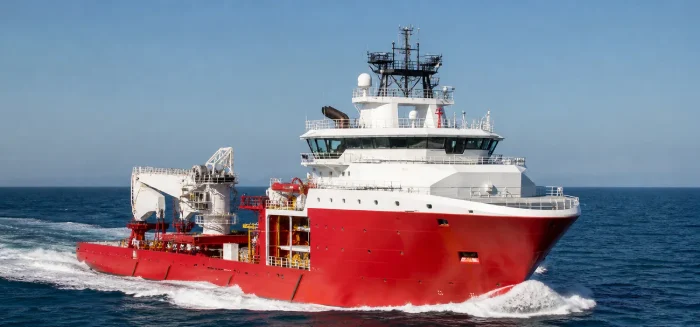 04Marine EngineeringEngineering solutions for naval architecture, hydrodynamics, structural analysis and marine systems to support safe and efficient operations.Explore
 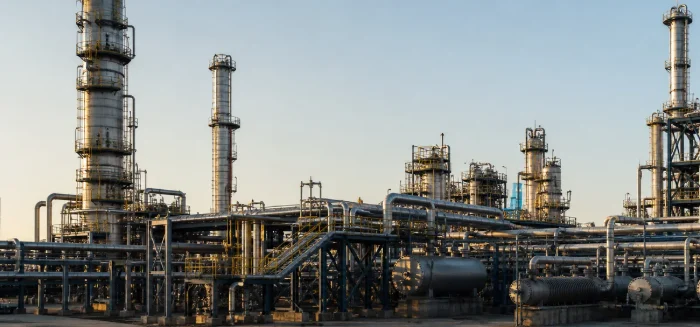 05Plant EngineeringEnd-to-end engineering services for process plants, from concept and design to optimisation, safety and operational support.Explore
 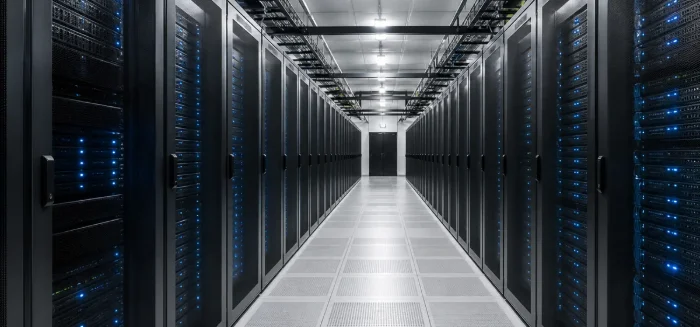 06Green Data Center AdvisoryHelping data centres become more efficient and sustainable through energy modelling, cooling optimisation and strategy advisory.Explore
 Where our work landsBuilt for the
Built for the
hard sectors.
Our multidisciplinary approach lets us solve complex problems across very different industries and operating environments.
01Energy & Power02Industrial Plants03Marine & Offshore04Buildings & Infrastructure05Data Centres06Sustainable Solutions07Transportation08Research & Innovation